A Beginner's Guide to Smart Home Technology in the USA
Introduction
Smart home technology represents a significant advancement in how we live, offering convenience, security, and energy efficiency. As the world becomes increasingly connected, understanding how to implement these technologies can enhance everyday life. Whether you're tech-savvy or a complete novice, this guide will help you navigate the basics of smart homes.
What Is a Smart Home?
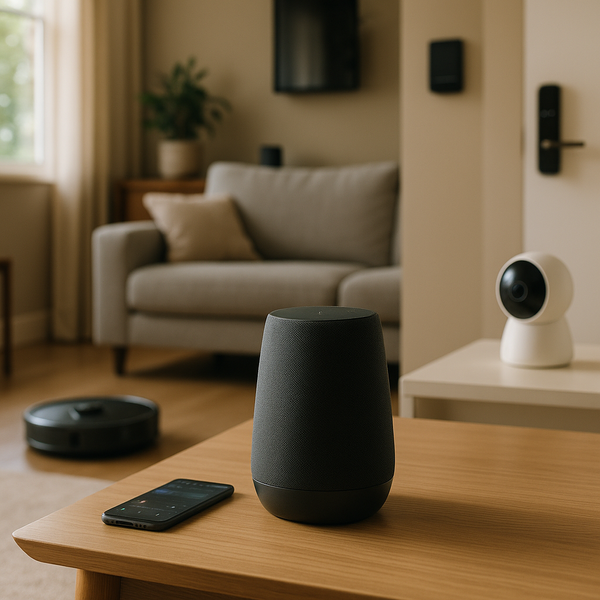
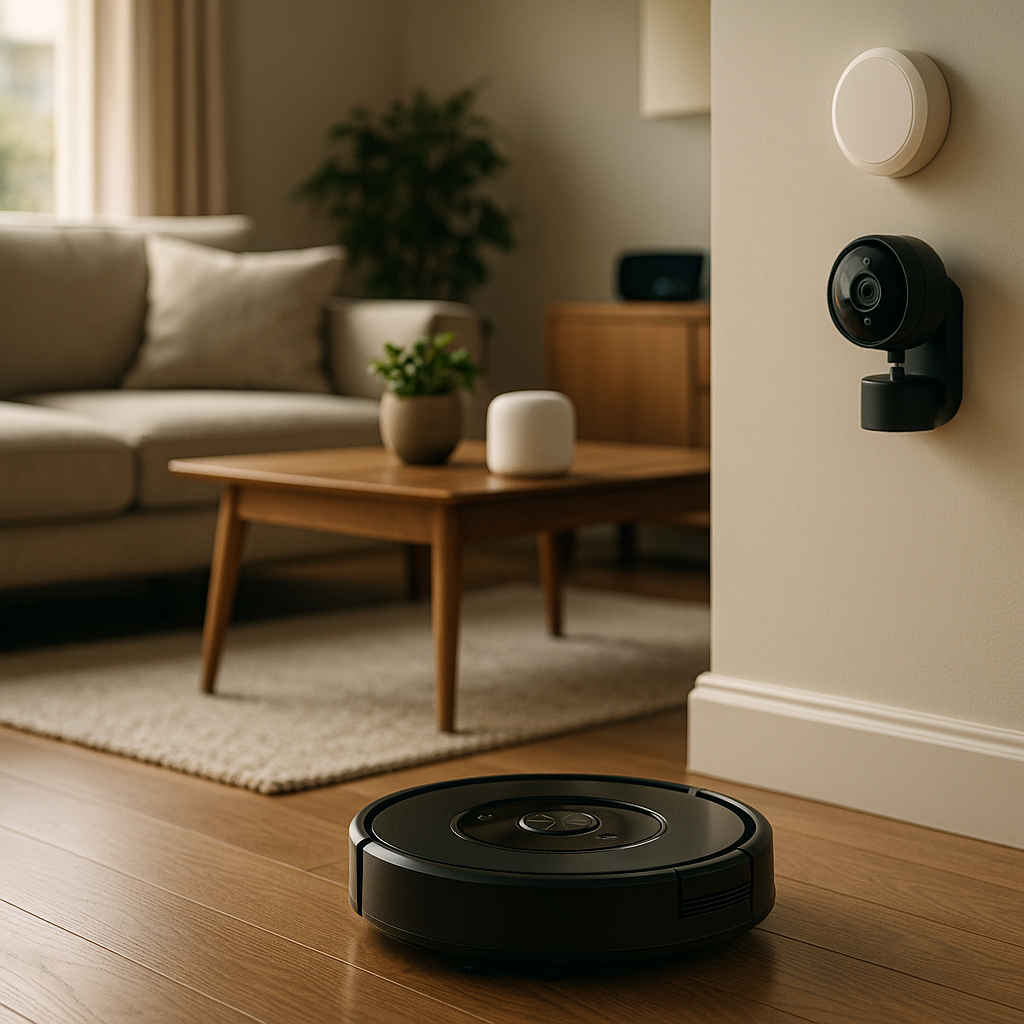
A smart home integrates various devices and appliances that can be controlled remotely through the internet. This includes everything from smart lights and thermostats to security systems and appliances. By connecting these devices, homeowners can automate tasks, monitor their homes, and control their environment with ease, often via smartphone apps or voice assistants.
Why It Matters
Smart home technology improves convenience, safety, and energy efficiency. By automating daily tasks, you save time and reduce the likelihood of forgetfulness, such as leaving your lights on or forgetting to lock your doors. Furthermore, these systems can help save on energy bills by optimizing heating, cooling, and lighting based on your routines, contributing to a more sustainable lifestyle.
Best Smart Home Devices for Beginners
For those just starting with smart home technology, here are some essential devices to consider: 1. **Smart Speakers**: Devices like Amazon Echo or Google Nest Audio act as your home’s brain, enabling voice control of other devices. 2. **Smart Lights**: Philips Hue or LIFX smart bulbs let you change brightness and color remotely. 3. **Smart Plugs**: These allow you to control everyday appliances like lamps or coffee makers through an app or voice command. 4. **Smart Thermostats**: Devices like the Nest Learning Thermostat help manage your heating and cooling efficiently. 5. **Smart Security Cameras**: Brands like Ring or Arlo help monitor your home and provide peace of mind.
Tips for Beginners
1. **Start Small**: Introduce one device at a time to understand its functionality and how it fits into your home. 2. **Consider Compatibility**: Ensure that the devices you choose can work together seamlessly, often facilitated through ecosystems like Google Home or Amazon Alexa. 3. **Focus on Security**: Protect your devices with strong passwords and regular updates to counter potential vulnerabilities. 4. **Explore Automation**: Once you're comfortable, experiment with automation features. For instance, set your smart lights to turn on at dusk or schedule your thermostat to adjust settings when you're away.
Conclusion
Smart home technology is accessible and offers incredible benefits for everyday living. By understanding the basics and starting with a few essential devices, you can create a connected environment that aligns with your lifestyle. Embrace the future of home automation and enjoy the convenience, safety, and efficiency that smart homes have to offer.